Hairdresser SVG Review: Real-World Embroidery Insights
As a designer who has spent countless hours digitizing files and testing them on everything from crisp cotton to stretchy jersey, I approach every new machine embroidery design with a critical eye. It is not just about whether the graphic looks good on a screen; it is about how it translates into thread, how it behaves under the needle, and ultimately, how it resonates with the end customer. Recently, I evaluated the Hairdresser Svg in Progress Loading Svg, a playful graphic that combines professional pride with a touch of digital humor. This review breaks down my practical observations for fellow embroidery designers, Etsy sellers, and craft business owners looking to add unique items to their inventory.
First Impressions: Mood and Visual Personality
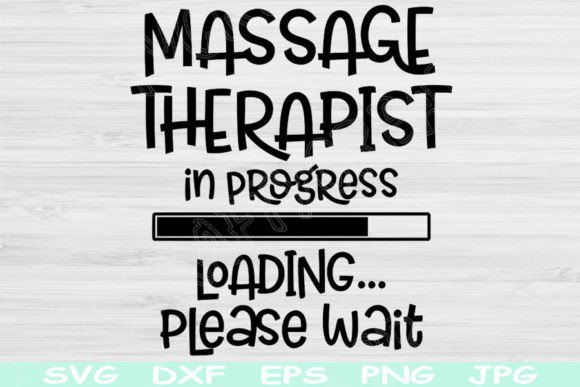
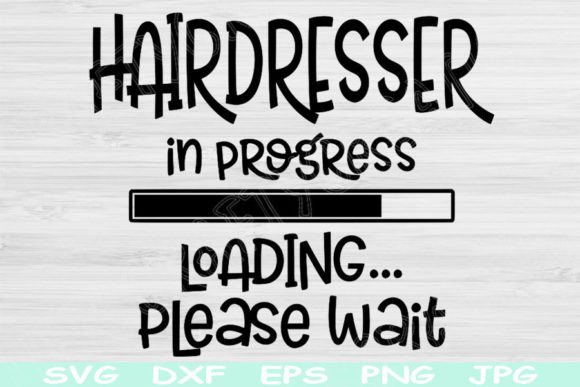
The first thing that strikes you about this design is its clever juxtaposition of two worlds. The phrase "hairdresser in progress loading please wait" taps into the universal language of digital interfaces, applying it to the tactile, time-intensive world of hair styling. For a crafts enthusiast or a professional stylist, this creates an immediate sense of relatability and humor. The layout typically features clean, bold typography paired with simple iconography, which is crucial for embroidery. Complex gradients or tiny details often get lost in translation, but this design’s straightforward aesthetic suggests it will stitch out cleanly.
The visual personality is modern and slightly tech-savvy, appealing to a younger demographic of stylists or salon owners who appreciate internet culture. It does not feel dated or overly traditional. Instead, it feels like a contemporary statement piece. When considering this as part of your design assets, think about the mood you want to convey. This is not a delicate, floral nursery design; it is bold, confident, and conversation-starting. It fits perfectly into the category of fun, personality-driven graphics that sell well on social media platforms where visual impact is key.
Real-World Application: From Screen to Stitch
To truly understand the value of an embroidery file, you must visualize it on actual products. I imagined stitching this design onto a high-quality canvas tote bag for a local salon’s retail section. The bold lines of the text would stand out sharply against the natural fabric texture, creating a chic, utilitarian accessory that clients could use for carrying hair tools or personal items. The durability of embroidery makes it far superior to printed ink for items that undergo frequent washing and heavy use.
Another strong candidate for this design is a unisex sweatshirt. Salon professionals spend long hours on their feet, often in cool environments. A cozy fleece or cotton-blend sweatshirt with this humorous message embroidered on the chest or sleeve adds a layer of professional identity without being too formal. The satin stitch likely used for the text borders would provide a nice sheen against the matte fabric, enhancing readability. For baby items or smaller gifts, however, caution is advised. The length of the phrase might overwhelm a small onesie, so scaling it down requires careful attention to legibility.
I also considered this for a custom apron. Hairdressers and beauticians wear aprons daily, and they are prone to staining and wear. Embroidering this design on the bib of a denim or canvas apron turns a uniform into a branded, personalized item. It serves as both a functional identifier and a icebreaker for clients. In this context, the finished product becomes a tool for customer engagement, not just clothing.
Technical Considerations for Embroiderers
While the concept is strong, the execution depends heavily on technical settings. If you are planning to use this digital embroidery file, you must consider stitch density. Large blocks of text can become dense and stiff if not properly digitized. I recommend checking if the design uses a combination of fill stitch for larger areas and running stitch for outlines to keep the fabric flexible. If the design is too dense, it may pucker lightweight fabrics like t-shirts or silk blends commonly found in boutique apparel.
Fabric choice is critical. On textured fabrics like terry cloth towels or rough linen, fine details might get lost. This design relies on clear typography, so it performs best on smooth, stable fabrics such as cotton twill, polo shirts, or structured caps. When embroidering on curved surfaces like baseball caps, ensure the design width fits within the usable hoop area without distorting the text. A distorted "loading" bar loses its comedic effect entirely.
Color contrast is another vital factor. Since the design likely involves text, ensure your thread colors pop against the background. A dark thread on a dark shirt will be unreadable. I always advise testing the design in black and white mockups first to verify that the shapes remain distinct without relying on color. For a professional look, stick to two or three thread colors maximum. Too many color changes can increase production time and the risk of thread breaks, which impacts profitability for small shop products.
Commercial Viability and Brand Consistency
For Etsy sellers and handmade shop owners, this design offers versatility. It appeals to a niche market—hairdressers—who are often underserved by generic gift shops. By offering this on specific items like embroidered patches, tote bags, or premium towels, you create a perceived higher value. Customers are willing to pay more for personalized, durable goods that reflect their professional identity. This design supports brand consistency for salons looking to merchandise their services. It is not just a gift; it is branding.
However, transparency is key. Before selling finished items or digital downloads, you must confirm the licensing terms. Not all SVGs or embroidery files come with commercial use rights. Always check the provider’s policy to ensure you are compliant. Additionally, verify the file formats provided. While SVG is great for cutting machines, ensure you have the correct embroidery format (such as PES, DST, or JEF) compatible with your machine. If these details are not clearly provided in the product description, reach out to the seller before purchasing.
Practical Designer Notes for Best Results
- Test on Scrap Fabric: Always run a test stitch-out on the same type of fabric you plan to use for the final product. This reveals tension issues or registration errors.
- Use Proper Stabilizer: For text-heavy designs, a cut-away stabilizer is often better than tear-away for long-term durability, especially on garments that will be washed frequently.
- Check Hoop Size: Ensure the design dimensions fit your available hoops. If resizing, do not scale beyond 10% up or down to maintain stitch integrity.
- Inspect Small Details: Zoom in on the "loading" bar or any icons. If elements are too close together, they may merge during stitching. Add spacing if necessary.
- Consider Thread Quality: Use high-quality polyester or rayon threads to prevent breaking and ensure a vibrant finish that enhances the visual appeal of the handmade product.
In conclusion, the Hairdresser Svg in Progress Loading Svg is a strong contender for your next embroidery project. It balances humor with professionalism, making it suitable for a wide range of commercial and personal applications. By paying attention to fabric choice, stitch density, and color contrast, you can transform this digital asset into a high-quality, tangible product that customers will love. Whether you are creating a personalized gift for a friend in the beauty industry or stocking your online store with unique custom apparel, this design offers a fresh, modern twist that stands out in a crowded market.