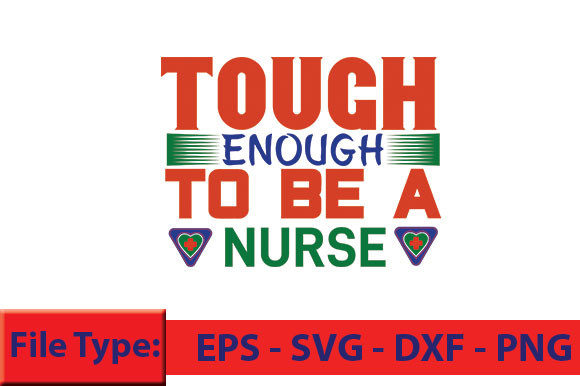
Reviewing the Nurse T-Shirt Design: Tough Enough to Be
As a designer who spends more time staring at stitch simulations than I do sleeping, I have learned that not every graphic translates well to thread. We see thousands of digital files flood the market, but only a few truly respect the mechanics of the embroidery machine. Recently, I pulled up the Nurse T-Shirt Design, Tough Enough to Be to evaluate its potential for real-world application. This is not just about whether the image looks cute on a screen; it is about how it behaves under the needle, how it wears after fifty washes, and whether it adds genuine value to a handmade product.
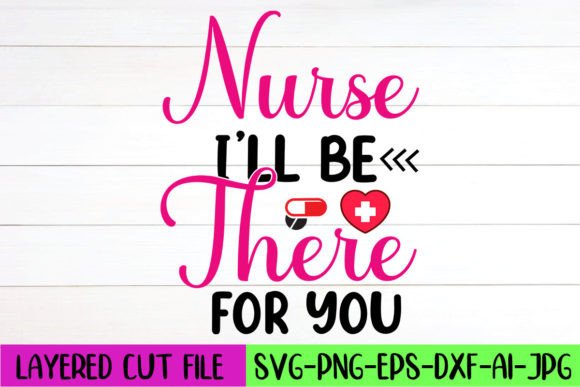
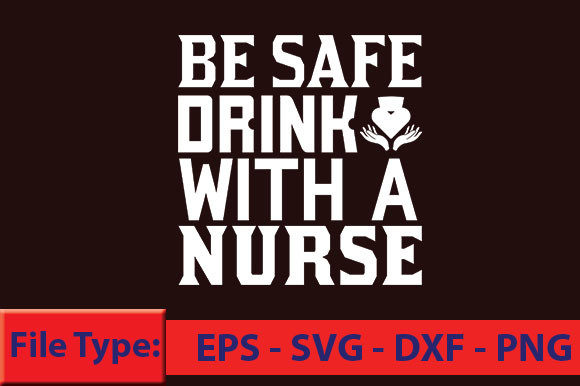
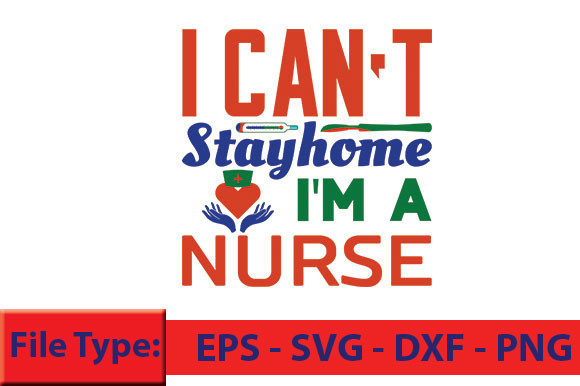
The first impression of this design is its balanced attitude. It captures a specific mood that resonates deeply within the healthcare community: a blend of professional resilience and gentle care. Visually, the layout feels intentional. It does not rely on overly complex shading that would require excessive thread counts, nor does it use such fine lines that they disappear into textured fabrics. For those of us creating design assets for Etsy sellers or local boutiques, this balance is crucial. A design that is too dense puckers the fabric; one that is too sparse looks cheap. This piece sits comfortably in the middle, suggesting a reliable performance across various garment types.
Real-World Application: Beyond the Basic Tee
While the title suggests a t-shirt, my mind immediately went to heavier substrates. I imagined stitching this onto a high-quality cotton canvas tote bag design for a nursing student’s clinical rotation. The structural integrity of the text and accompanying graphics would hold up beautifully against the weave of canvas. Alternatively, consider a fleece sweatshirt embroidery project. Fleece can be tricky because the pile hides detail, but if this design utilizes bold outlines or sufficient fill stitch coverage, it pops effectively against the soft background.
I also tested the concept mentally for a personalized gift scenario. Imagine a set of scrubs caps or a small embroidered patch for a badge reel. Here, the scale becomes critical. If the design includes tiny lettering, it might blur when scaled down to a two-inch hoop. However, if the primary focus is on the central graphic element with readable, bold typography, it translates well to smaller applications. For a baby embroidery project, such as a onesie for a nurse’s newborn, the design would need to be simplified or resized significantly to ensure comfort and durability, avoiding any scratchy satin stitch borders that might irritate sensitive skin.
Technical Considerations for the Stitcher
When working with any machine embroidery design, understanding the file formats is the first step toward success. This product provides SVG, DXF, EPS, and PNG formats. For embroidery machines, you will typically need to convert these vector or raster images into a native machine format using your preferred digitizing software, unless a pre-digitized version is separately provided. The availability of SVG and EPS is excellent for crafters who use cutting machines for heat transfer vinyl, offering versatility for mixed-media crafts. However, for direct embroidery, the clarity of the original vectors allows for precise auto-digitizing or manual tweaking.
One must pay close attention to stitch density. If you are digitizing this yourself from the provided graphics, avoid over-packing the fill areas. Nurses move constantly; their garments stretch, bend, and undergo rigorous industrial laundering. A design with moderate density and proper underlay will survive this wear and tear better than a dense, carpet-like stitch pattern. I recommend using a cut-away stabilizer for knit fabrics like t-shirts and sweatshirts to prevent distortion over time. For woven fabrics like aprons or tote bags, a tear-away might suffice, but cut-away always offers superior longevity for commercial items.
Thread choice plays a massive role in the final aesthetic. Since this design likely involves text, contrast is key. On dark navy scrubs, a bright white or silver thread creates high visibility. On light heather grey, a deep teal or burgundy adds sophistication. Always test your thread colors on scrap fabric before committing to the final garment. Check how the light hits the satin stitches; sometimes, a slight change in angle can make the text hard to read if the sheen is too reflective.
Navigating Fabric and Hoop Constraints
Not every surface is friendly to embroidery. If you plan to use this on a curved surface like a cap, you must consider the height of the stitch. Tall letters or intricate details can get distorted by the curvature of the crown. In such cases, simplifying the design or focusing on the central icon rather than long horizontal text is wise. Similarly, thin or stretchy fabrics require careful handling. If the design has large solid areas, it may pull the fabric out of shape. Using a water-soluble topping can help keep the stitches on top of textured towels or fuzzy fleece, ensuring the finished product looks crisp and professional.
For commercial embroidery projects, consistency is vital. If you are producing a batch of twenty shirts for a hospital unit, ensure your hoop size is appropriate for the design dimensions. Crowding the design near the edge of the hoop can lead to misfires or fabric slippage. Always center your work and leave ample margin. Additionally, verify the licensing terms. While you receive the graphics, selling finished items often requires a commercial license. Never assume; always check the creator’s terms to protect your craft business from legal issues.
Enhancing Brand Value and Customer Trust
Why choose this specific design? Because it speaks to identity. Nurses often feel underappreciated, and wearing a symbol of their toughness and compassion boosts morale. When a customer buys a custom apparel item with this message, they are buying into a community. For the seller, this translates to higher perceived value. A well-executed embroidery job signals quality. It shows that you care about the details, from the tension of the threads to the cleanliness of the bobbin work on the back.
This design fits seamlessly into a broader catalog of Graphics for healthcare workers. It can be part of a collection that includes doctor, teacher, or firefighter themes, creating a cohesive brand identity for your shop. Use high-quality printable mockup images to showcase the design on various products online. Show it on a folded shirt, a hanging tote, and a worn-in sweatshirt. This helps buyers visualize the embroidery project in their own lives, increasing conversion rates.
In conclusion, the Nurse T-Shirt Design, Tough Enough to Be is a strong contender for your next production run. It offers emotional resonance, visual clarity, and practical versatility. Whether you are creating a holiday embroidery gift for a loved one or stocking your small shop product line, this design holds up under scrutiny. Just remember to respect the materials, choose the right stabilizer, and stitch with precision. The result will be a durable, beautiful tribute to the resilience of nursing professionals.